
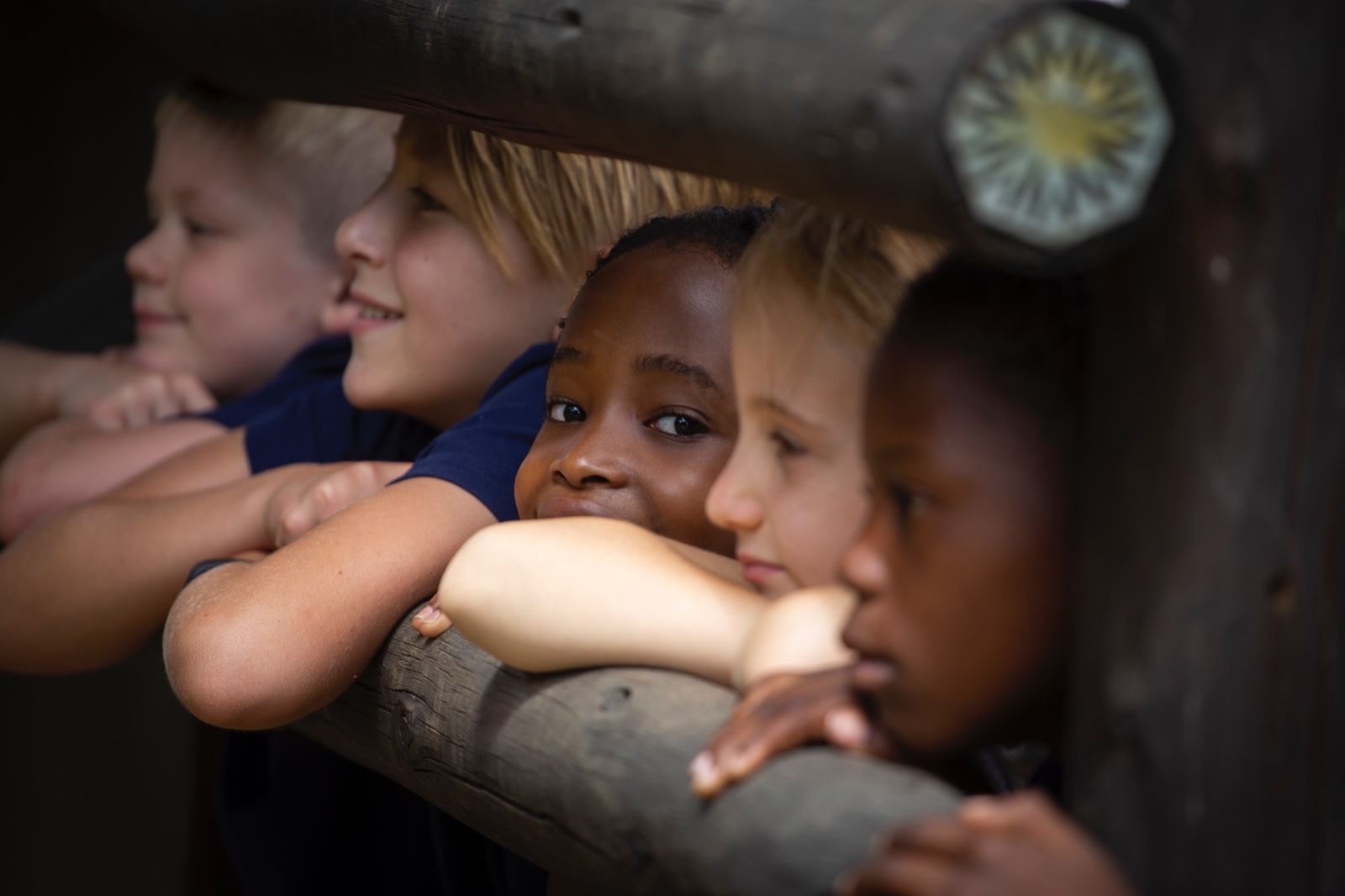
In Montessori education, freedom and discipline are not opposing ideas but rather two sides of the same coin. This freedom includes the ability to choose their work, move around the classroom, and work at their own pace. By allowing children to navigate these boundaries, they naturally develop self-discipline. This process of learning to act with respect and purpose is the very foundation of the Montessori approach, empowering children to become independent, thoughtful, and self-controlled individuals.
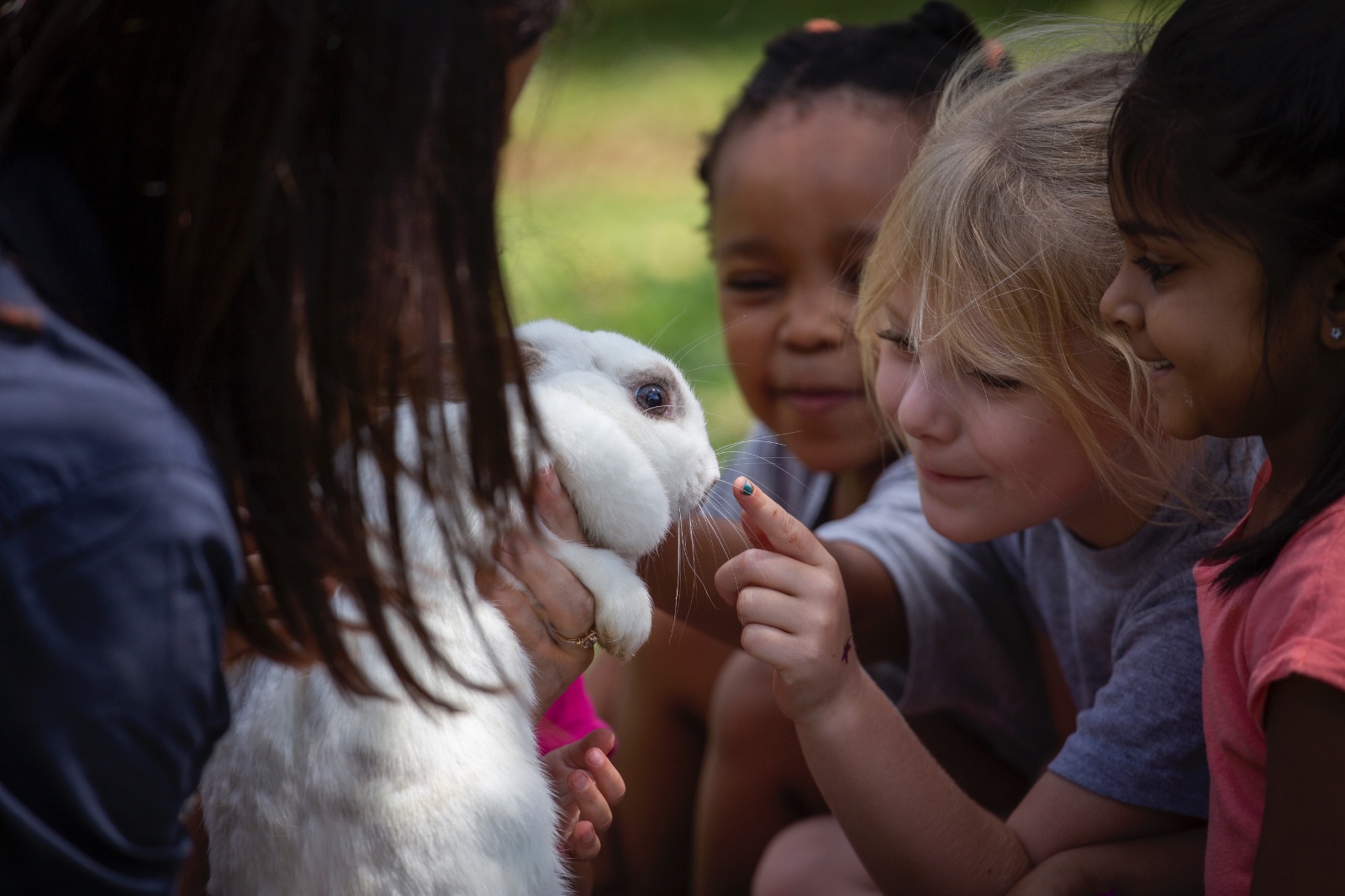
In Montessori education, hands-on learning isn't just a method; it's the core of how children acquire knowledge. Dr. Maria Montessori observed that children have an innate desire to learn by "doing," not just by listening. This is why the Montessori classroom is a carefully prepared environment filled with specially designed, self-correcting materials. Rather than sitting at desks and memorizing facts from a textbook, children are free to move around and engage with these tangible tools. For example, a child learning about the decimal system won't just see numbers on a page; they'll use Golden Beads to physically build and manipulate numbers like 1, 10, 100, and 1,000, making an abstract concept concrete and deeply understandable. This process of using their hands to explore, experiment, and solve problems not only helps them grasp academic concepts but also develops fine motor skills, concentration, and a sense of ownership over their own learning. The power of this approach lies in the direct link it creates between the hand and the mind, fostering a love of learning that is driven by curiosity and discovery.
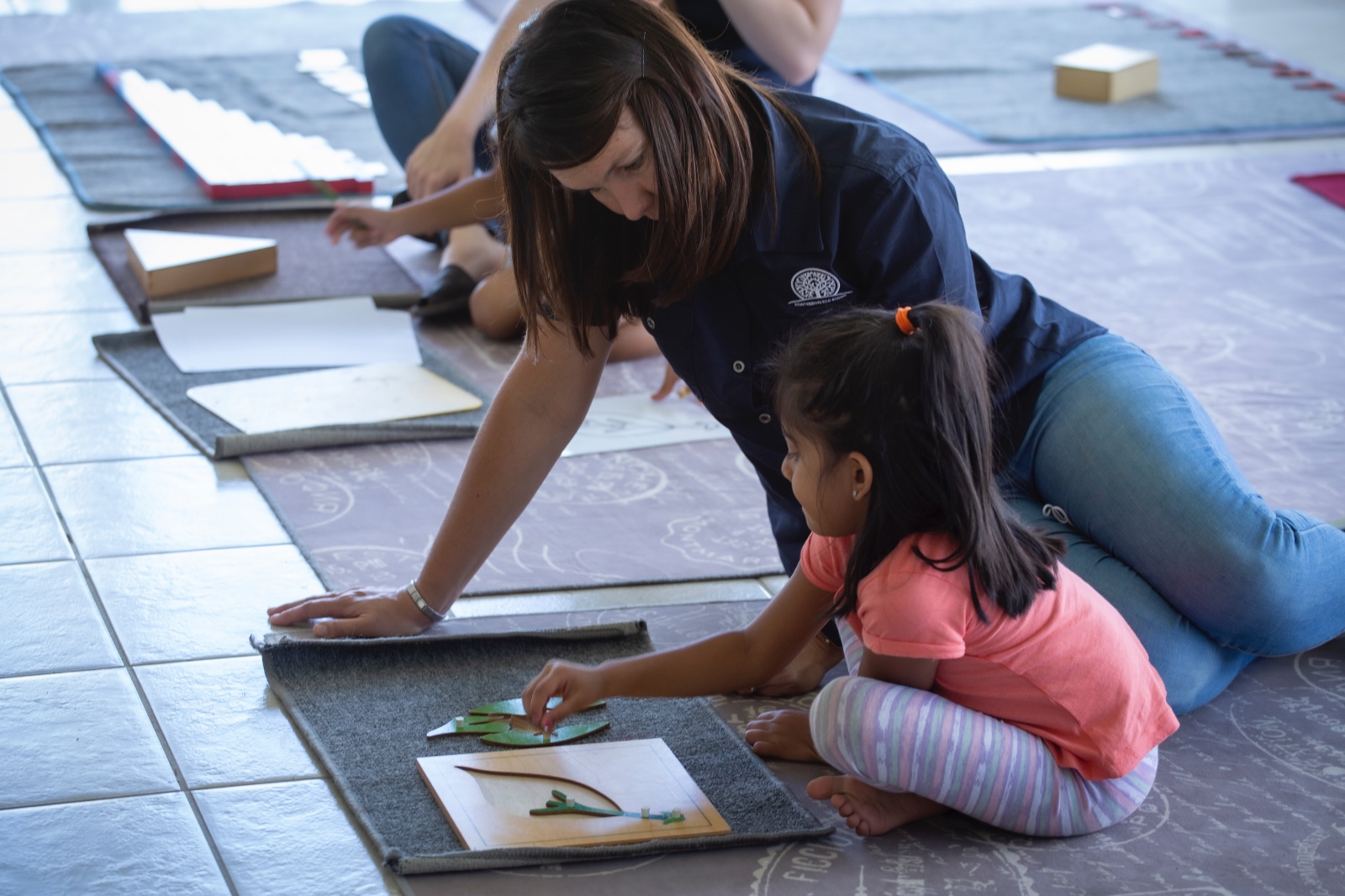
Individualized education is at the heart of the Montessori method, recognizing that no two children learn in the same way or at the same pace. Instead of a one-size-fits-all curriculum where every student is expected to master the same material at the same time, the Montessori classroom is designed to meet each child where they are. The teacher, or "guide," acts as a careful observer, tracking each child's unique interests, developmental stage, and readiness for new concepts. Based on these observations, the guide presents lessons and materials that are a perfect match for that individual child's needs. This allows children who grasp concepts quickly to move ahead without waiting for their peers, while those who need more time can work at their own pace until they achieve a deep understanding. This personalized approach empowers children to take ownership of their education, fostering a natural love of learning and building the confidence to become independent, self-motivated learners for life.
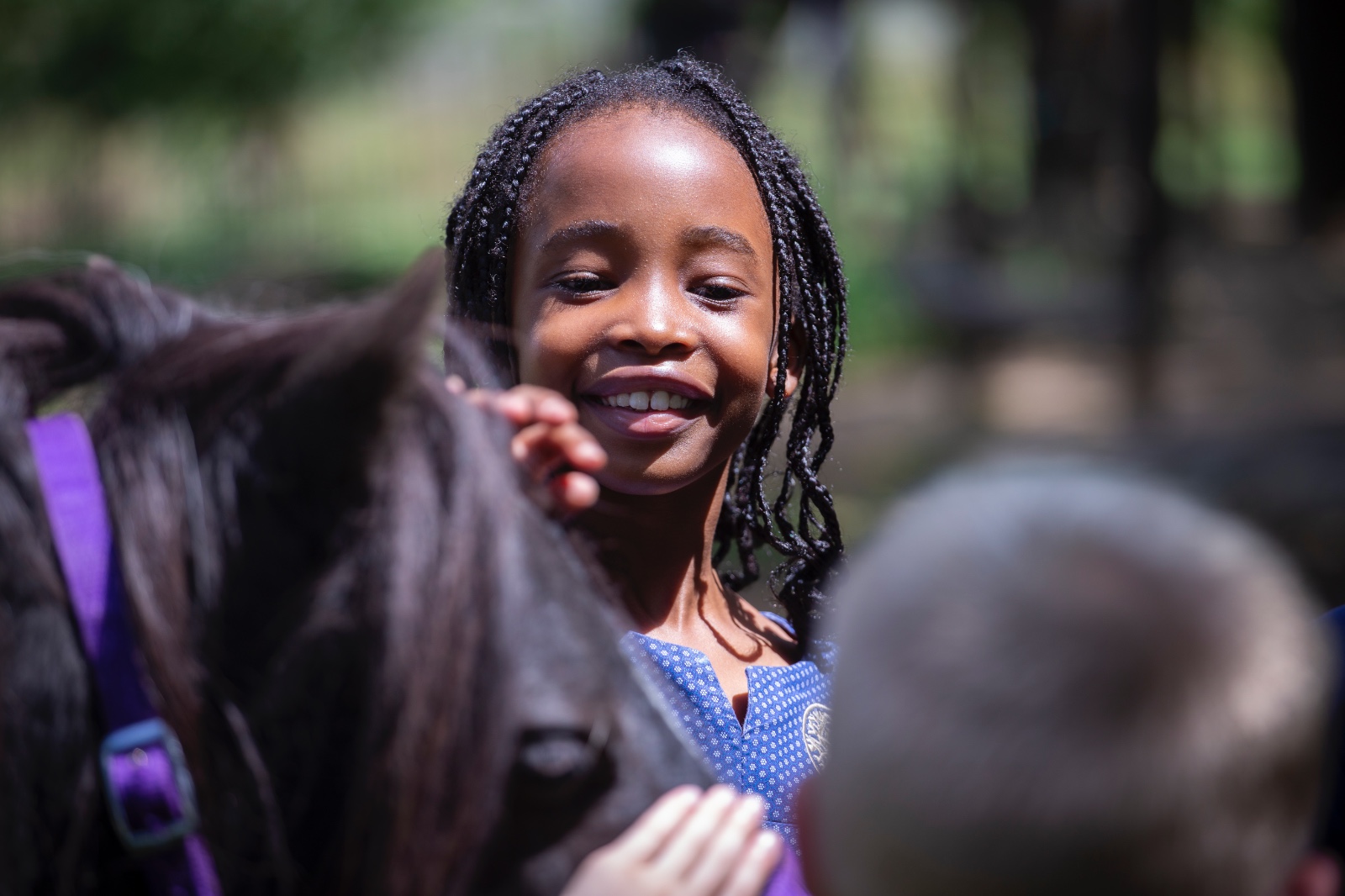
Cosmic education is a cornerstone of the Montessori philosophy, particularly for children in the elementary years (ages 6 to 12). This approach goes beyond teaching isolated subjects; it presents a holistic and integrated view of the universe, demonstrating the interconnectedness of all things. Dr. Maria Montessori observed that children in this age range have a developing sense of imagination, a powerful reasoning mind, and a deep curiosity about the world around them. Cosmic education taps into these characteristics by telling The Great Lessons, a series of five grand stories that provide a framework for all academic disciplines. These narratives, which include topics like the creation of the universe, the coming of life, and the story of humanity, serve to inspire the child's sense of wonder and place in the world. By seeing how all subjects—from history and science to language and mathematics—are interwoven into this grand, purposeful narrative, children develop a sense of gratitude, humility, and responsibility toward their "cosmic task" of contributing to a more harmonious world.